



On February 28, 2026, the United States and Israel launched coordinated military strikes against Iran under a major campaign that targeted Iranian military infrastructure, command centers, missile sites, and leadership figures. This operation marked a significant escalation in U.S.–Iran tensions and resulted in substantial Iranian retaliation against U.S. and allied forces in the region. The conflict quickly expanded beyond initial strikes, drawing in engagements from Iranian proxies and impacting neighboring countries.
The clashes unfolded against a backdrop of longstanding disputes over Iran’s nuclear program, ballistic missile development, and regional influence. Tehran responded with missile and drone attacks on U.S. bases and allied territory, while the Strait of Hormuz—responsible for around 20% of global oil shipments—saw shipping disruptions as vessels avoided the area due to safety risks. The U.S. has sunk several Iranian naval vessels, which may diminish Iran’s ability to hamper shipping in the future.
Stock Market Implications
Global stock markets reacted negatively in the immediate aftermath of the strikes, reflecting heightened investor risk aversion and uncertainty.
- The markets prepositioned last week for the conflict in the Middle East. Two-year Treasury yields hit a new cycle low, and the 10-year Treasury yield broke below 4%. Meanwhile, the broad stock market was relatively firm. For example, the median stock in the S&P 500 was up 4% for the month of February and up 7.8% so far in 2026. The advance-decline line for the S&P 500 also closed at its highest level in history.
- After the strikes this weekend, equity indices saw pressure as geopolitical risk spiked; futures were down sharply and major global indices like European benchmarks fell amid conflict fears. Financial, travel, and bank sectors were hit particularly hard.
- Defense and energy stocks surged, as markets re-priced increased government defense spending and demand for military equipment, with major defense names rising in early trading.
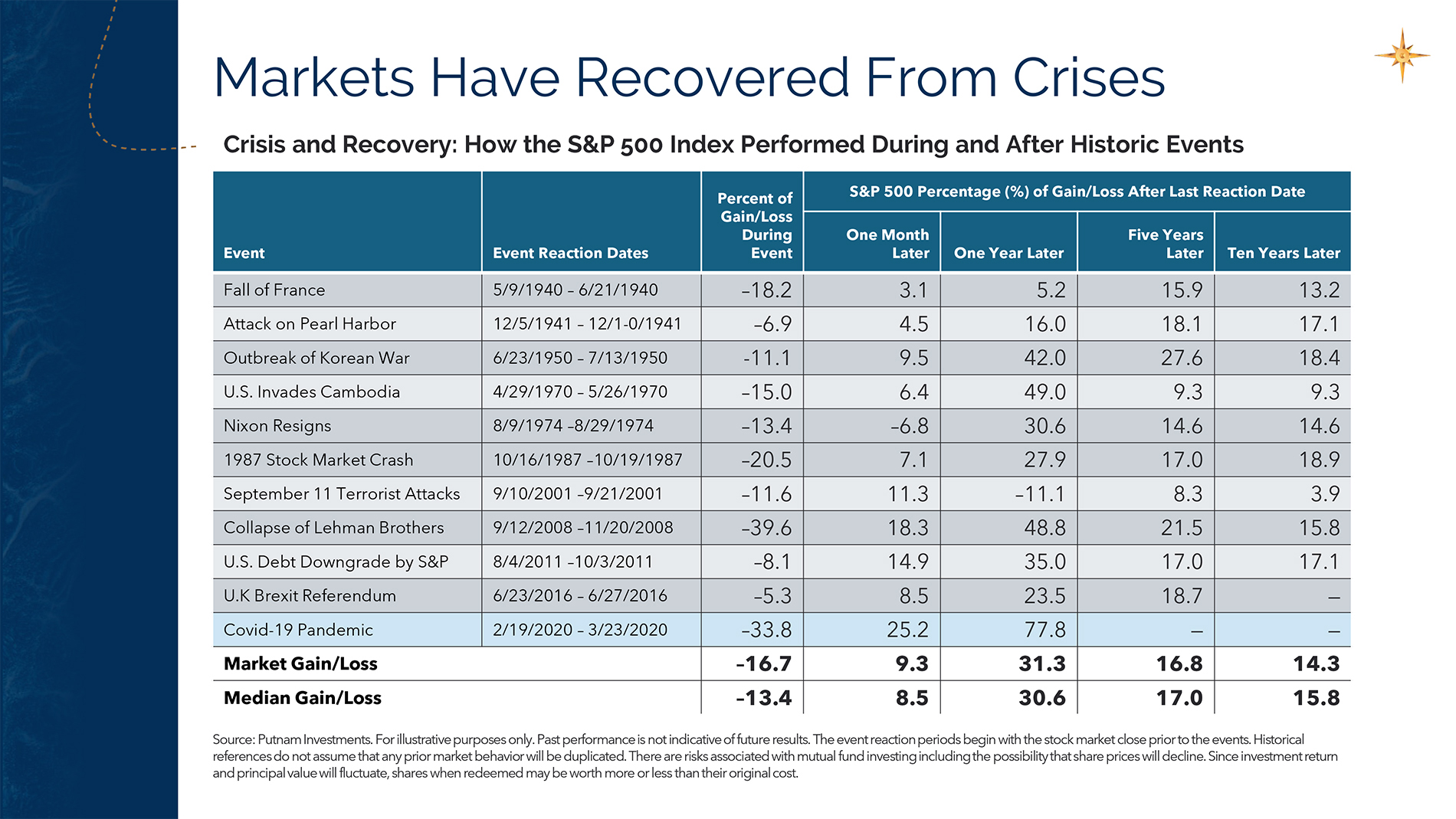
- Volatility rose sharply in line with typical “risk-off” behavior, where investors move away from riskier assets. Historical patterns show such geopolitical shocks can cause short-term sell-offs, but markets often rebound over longer periods once the conflict stabilizes or resolves.
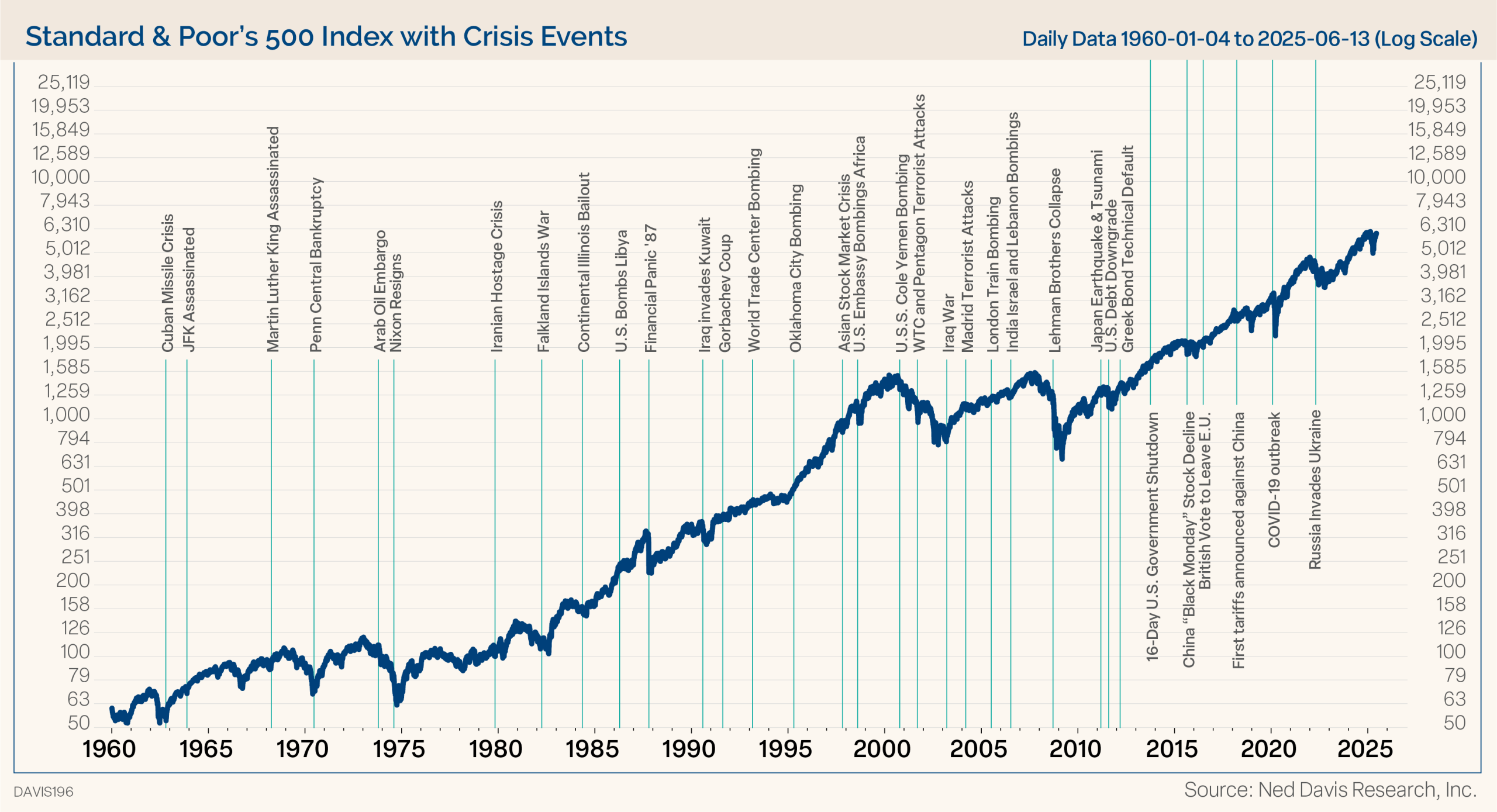
The magnitude and duration of market effects will depend on how the conflict progresses. A quick resolution should be greeted with a market recovery. If the conflict is not resolved quickly or if it escalates, it would likely cause a sharper and longer-lasting sell-off in stock prices.
Bond Market and Safe Haven Assets
Heightened geopolitical risk typically triggers a flight to quality, and U.S. Treasuries rallied in the wake of the attack.
- U.S. Treasury prices rallied and yields fell as demand for safe assets spiked, pushing prices up (and yields down), especially on shorter-duration Treasuries. This reflects investors seeking stability amid uncertainty.
- Gold and the U.S. dollar strengthened, consistent with safe-haven inflows, while credit spreads for riskier corporate bonds widened as market participants reassessed risk premiums.
Broader Economic Impacts
The economic implications extend beyond financial markets:
- Oil and energy prices surged following the attack, driven by fears of supply disruptions through the Strait of Hormuz. Brent crude climbed sharply, and analysts warn prices could exceed $100 per barrel if tensions escalate or shipping routes remain unsafe.
- Higher energy costs could feed into inflation, raising consumer prices for gasoline, transportation, and manufacturing inputs. This could dampen consumption and corporate profitability and may delay interest rate cuts by central banks. Currently, the fed funds futures market is pricing in two rate cuts by the end of the year.
- Geopolitical conflict can slow economic growth by undermining business confidence, disrupting trade flows, and increasing insurance and logistical costs, especially for regions reliant on Middle Eastern energy supplies.
- Consumer confidence and spending may weaken if sustained high prices or conflict uncertainty persist, potentially dragging on U.S. and global economic expansion.
- The Federal Reserve will meet and decide on overnight rates on March 18. No change in policy is expected.
The most sensitive issue now appears to be the Strait of Hormuz. More than 20% of global oil is moved through the Strait of Hormuz. It can be easily mined and blocked. Tanker traffic has virtually come to a halt, and shipping companies are mass-canceling voyages in the Persian Gulf. For financial markets, it is not simply the reopening of the Strait that matters. The ongoing security of the passage is important for ships to have confidence in traveling through. The longer the Strait remains closed, the more upward pressure there will likely be on oil prices.
Summary: Near Term Uncertainty & Volatility
The U.S. attack on Iran has triggered significant market volatility and economic ripple effects. As is usually the case, equity markets declined on news of the attack and safe-haven assets (U.S. Treasuries, the U.S. dollar and gold) have rallied. Oil prices spiked given the potential disruption in supply. The next move in the markets will hinge on whether tensions de-escalate or widen. If history is a guide, the sell-off in stocks will likely be relatively short lived. As always, we believe it is imperative for investors to stay focused on their long-term goals and not let short-term swings in the market, which could materialize at any time, derail them from their longer-term objectives.
The opinions referenced are as of the date of publication and are subject to change due to changes in the market or economic conditions and may not necessarily come to pass. There is no guarantee of the future performance of any Clark Capital investments portfolio. Material presented has been derived from sources considered to be reliable and has not been independently verified by us or our personnel. Nothing herein should be construed as a solicitation, recommendation or an offer to buy, sell or hold any securities, other investments or to adopt any investment strategy or strategies. For educational use only. Investors must make their own decisions based on their specific investment objectives and financial circumstances. Past performance does not guarantee future results.
References to market or composite indices, benchmarks or other measures of relative market performance over a specified period of time (each, an “index”) are provided for your information only. Reference to an index does not imply that the portfolio will achieve returns, volatility or other results similar to that index. The composition of the index may not reflect the manner in which a portfolio is constructed in relation to expected or achieved returns, portfolio guidelines, restrictions, sectors, correlations, concentrations, volatility or tracking error targets, all of which are subject to change. Investors cannot invest directly in an index.
The Standard and Poor’s 500, or simply the S&P 500, is a stock market index tracking the stock performance of 500 large companies listed on stock exchanges in the United States.
Clark Capital Management Group, Inc., is an independent investment adviser registered under the Investment Advisers Act of 1940, as amended. Registration does not imply a certain level of skill or training. More information about Clark Capital, including investment strategies, fees and objectives, can be found in its Form ADV and/or Form CRS, which are available upon request.